Pharmaceutical Lab – Essential Guide to Equipment, Analysis, and Applications
What Is a Pharmaceutical Lab?
A pharmaceutical lab is a specialized environment where scientists and technicians develop, test, and refine medicines such as tablets, vaccines, and injectables. These facilities ensure that every product meets strict standards for safety, quality, and effectiveness before entering the market.
In most cases, pharmaceutical labs focus on several core areas — drug discovery, formulation, quality control (QC), microbiological testing, and stability studies.
To achieve consistent results, each lab follows the principles of Good Laboratory Practice (GLP) and Good Manufacturing Practice (GMP) as required by regulatory agencies like the FDA, EMA, and WHO.
What Equipment Is Used in a Pharmaceutical Lab?
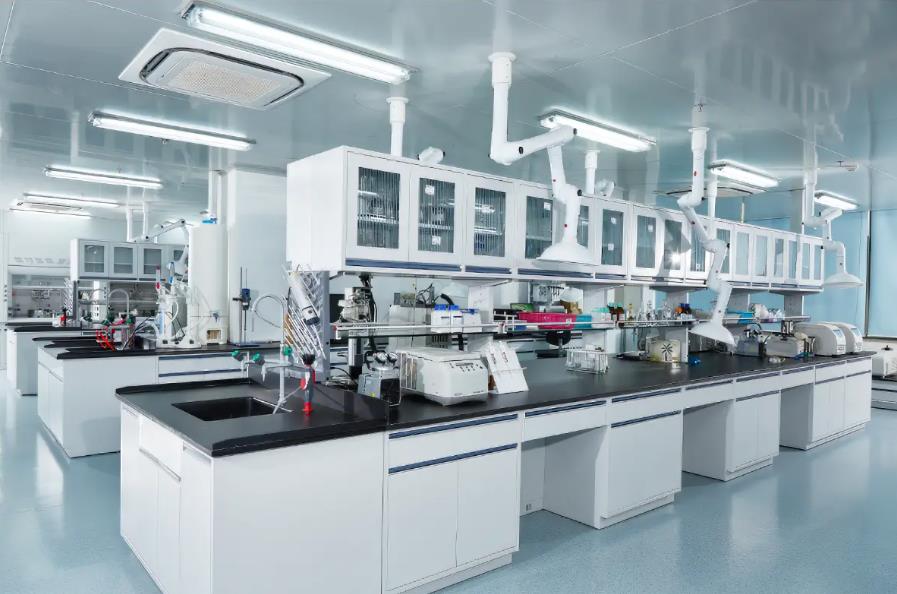
A modern pharmaceutical lab relies on both analytical and physical testing equipment to perform precise experiments. The exact setup depends on the lab’s purpose, yet most share common categories of instruments.
For example:
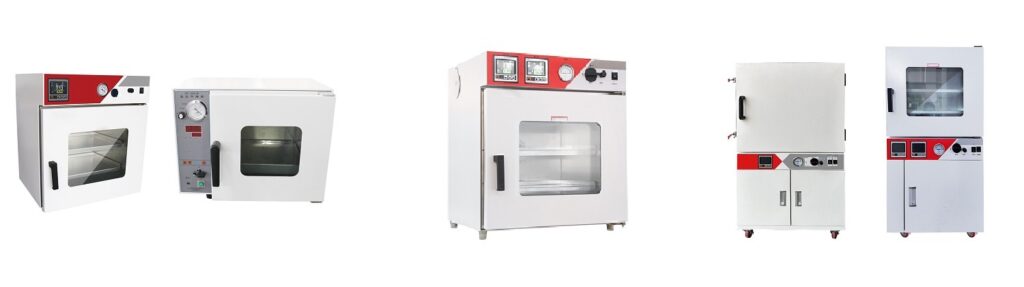
- Incubators and Ovens – They maintain stable conditions for drying and microbial testing.
- Analytical Balances – Scientists use them for accurate weighing of chemical materials.
- pH and Conductivity Meters – These devices check acidity and ionic concentration in solutions.
- Centrifuges – They quickly separate solid and liquid components during sample preparation.
- Autoclaves and Sterilizers – These ensure sterile conditions and prevent contamination.
- Refrigerators and Freezers – They preserve sensitive samples at controlled temperatures.
- Water Purification Systems – Every analysis starts with ultrapure water from these systems.
- Spectrophotometers (UV–Vis / IR) – Researchers use them to identify compounds and concentrations.
- HPLC Systems – These instruments quantify active pharmaceutical ingredients (APIs).
- Laminar Flow and Biosafety Cabinets – They protect both samples and operators from contamination.
In short, every tool in a pharmaceutical lab supports accuracy, safety, and reproducibility.
Pharmaceutical Laboratory Equipment List
Pharmaceutical laboratories often contain multiple specialized sections. Below is an example of a practical pharmaceutical laboratory equipment list, grouped by function for clarity:
| Category | Key Equipment | Purpose |
|---|---|---|
| General Laboratory | Balance, pH meter, stirrer, oven | Basic sample testing |
| Analytical Section | HPLC, UV–Vis spectrophotometer, FTIR | Quantitative and qualitative analysis |
| Microbiology Section | Incubator, autoclave, colony counter | Microbial quality testing |
| Formulation Lab | Mixer, tablet press, dissolution tester | Product formulation and physical testing |
| Quality Control (QC) | Stability chamber, hardness tester | Finished product validation |
| Water System | RO + DI + ultrapure water systems | Provide high-purity water |
Furthermore, each instrument requires regular calibration and verification to maintain accuracy and compliance.
Pharmaceutical Analysis Lab Manual
Every pharmaceutical lab depends on a detailed analysis manual. This document acts as a central guide for all analytical and operational procedures.
It generally includes the following:
- Safety Guidelines – Proper PPE use, chemical handling, and waste disposal procedures.
- Analytical Procedures – Step-by-step methods for titration, assay, and dissolution testing.
- Calibration and Validation Records – Documentation for equipment such as HPLC and spectrophotometers.
- Documentation Standards – Templates and data formats aligned with GLP requirements.
- Reference Methods – Verified techniques based on pharmacopeias like USP, EP, and BP.
By maintaining a consistent lab manual, pharmaceutical teams improve reliability, reduce human error, and ensure full regulatory compliance.
How to Choose Pharmaceutical Lab Equipment: 5 Selection Criteria
When selecting equipment for your pharmaceutical laboratory, consider these 5 key factors:
| Selection Factor | Key Questions | Impact |
|---|---|---|
| Regulatory Compliance | GMP/GLP compliant? Calibration traceable? | Affects audits and product approval |
| Application Fit | Supports your specific tests? | Wrong equipment = wasted budget |
| Automation Level | Manual, semi-automated, or fully automated? | Impacts throughput and staffing costs |
| Total Cost of Ownership | Consumables, calibration, maintenance, energy | Purchase price is only 30-40% of 5-year cost |
| Supplier Reliability | Delivery, warranty, spares, support | Determines uptime and stability |
LabVV supplies GMP-compliant equipment — incubators, ovens, sterilizers, and water systems — to pharma labs worldwide. Get a customized proposal →
Conclusion
In today’s healthcare industry, pharmaceutical labs drive innovation and patient safety. From drug formulation to final product testing, each laboratory function adds value to the global pharmaceutical chain.
At LabVV, we design and supply high-performance pharmaceutical laboratory equipment—including incubators, ovens, sterilizers, and ultrapure water systems—to support GMP and GLP standards worldwide.
Have questions or need expert guidance?
Reach out to our Labvv team !