
How to Use a Vacuum Drying Oven and Important Precautions
A vacuum drying oven is an essential piece of laboratory equipment used to dry heat-sensitive materials or remove moisture from samples under reduced pressure. Compared to conventional drying ovens, vacuum ovens accelerate evaporation at lower temperatures, protecting delicate compounds from thermal degradation. Understanding the correct use of a vacuum drying oven and the necessary safety precautions is crucial for efficient and safe operation.
What Is a Vacuum Drying Oven?
A vacuum drying oven is designed to provide controlled heating in a vacuum environment. By lowering the air pressure inside the chamber, the boiling point of water and solvents decreases, allowing samples to dry at much lower temperatures. This makes vacuum ovens ideal for:
- Pharmaceuticals and chemicals
- Heat-sensitive polymers
- Food and biological samples
- Powders, granules, and glassware
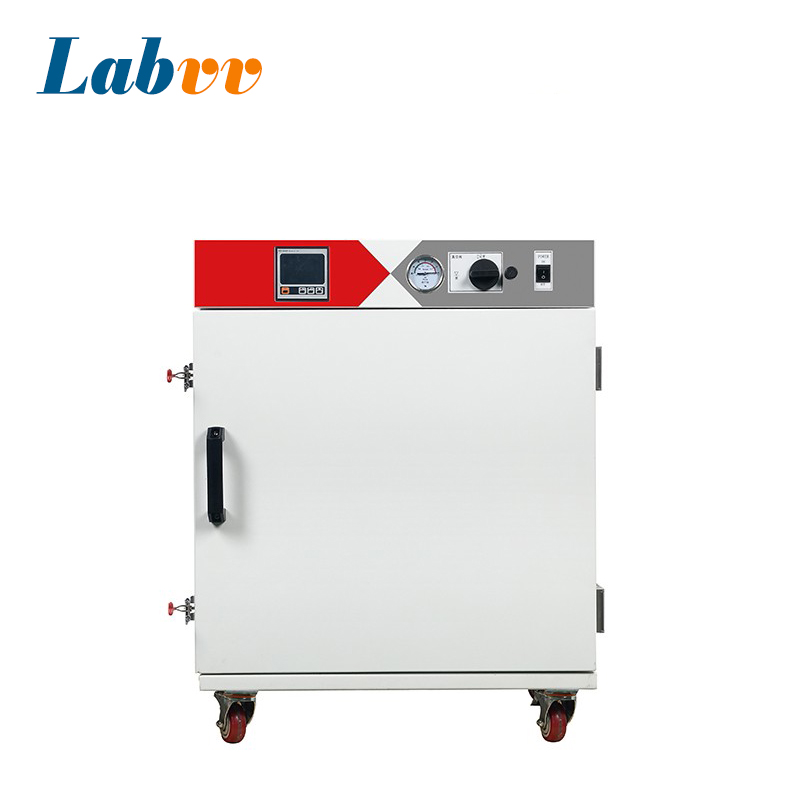
How to Use a Vacuum Drying Oven
1. Preparation
- Ensure the vacuum oven is placed on a stable, level surface.
- Check that the vacuum pump is properly connected and functioning.
- Inspect the chamber and trays for cleanliness before loading samples.
- Use appropriate containers that can withstand vacuum conditions.
2. Loading Samples
- Place samples evenly on trays, leaving space for airflow.
- Avoid overloading the chamber, which can reduce drying efficiency.
- For powders or small samples, use perforated trays to enhance solvent removal.
3. Setting Temperature and Vacuum
- Set the desired drying temperature according to the sample’s thermal sensitivity.
- Gradually apply vacuum to prevent sudden boiling or splashing of liquids.
- Monitor pressure and temperature during the drying process.
4. Drying Process
- Maintain constant observation, especially for volatile solvents.
- Some vacuum ovens have timers; set them according to sample requirements.
- Avoid opening the chamber during operation to prevent contamination and loss of vacuum.
5. Unloading Samples
- Slowly release the vacuum before opening the chamber.
- Allow samples to cool down if necessary.
- Handle hot or fragile materials with care.
Important Precautions
- Temperature Limits
- Do not exceed the recommended temperature for the sample or the oven itself.
- Vacuum Safety
- Ensure all connections are tight to prevent leaks.
- Avoid using liquids that can expand violently under vacuum.
- Sample Compatibility
- Only use containers and materials that are vacuum-compatible.
- Avoid sharp objects that may puncture trays or chamber surfaces.
- Electrical and Fire Safety
- Keep flammable solvents away unless the oven is explosion-proof.
- Inspect electrical cords and components regularly.
- Regular Maintenance
- Clean trays, shelves, and the chamber periodically.
- Check vacuum pump oil and replace as needed.
Conclusion
Proper use of a vacuum drying oven ensures efficient drying of sensitive samples while maintaining safety and equipment longevity. By following operational steps and precautions, laboratories can maximize productivity and prevent accidents.
For high-quality vacuum drying ovens suitable for research, chemical, and pharmaceutical labs, Labvv provides reliable solutions tailored to your needs. Contact us for expert recommendations.
Have questions or need expert guidance?
Reach out to our Labvv team !