
CO₂ Incubator vs Standard Laboratory Incubator in Cell Culture
Introduction
In cell culture laboratories, selecting the right incubator is critical for ensuring stable growth conditions and reliable experimental results. Two commonly used devices are the CO₂ incubator and the standard laboratory incubator. Although both provide controlled temperature environments, their functions and applications in cell culture are fundamentally different.
This article compares CO₂ incubator vs standard laboratory incubator in cell culture, helping researchers and laboratory managers choose the most appropriate equipment for their applications.
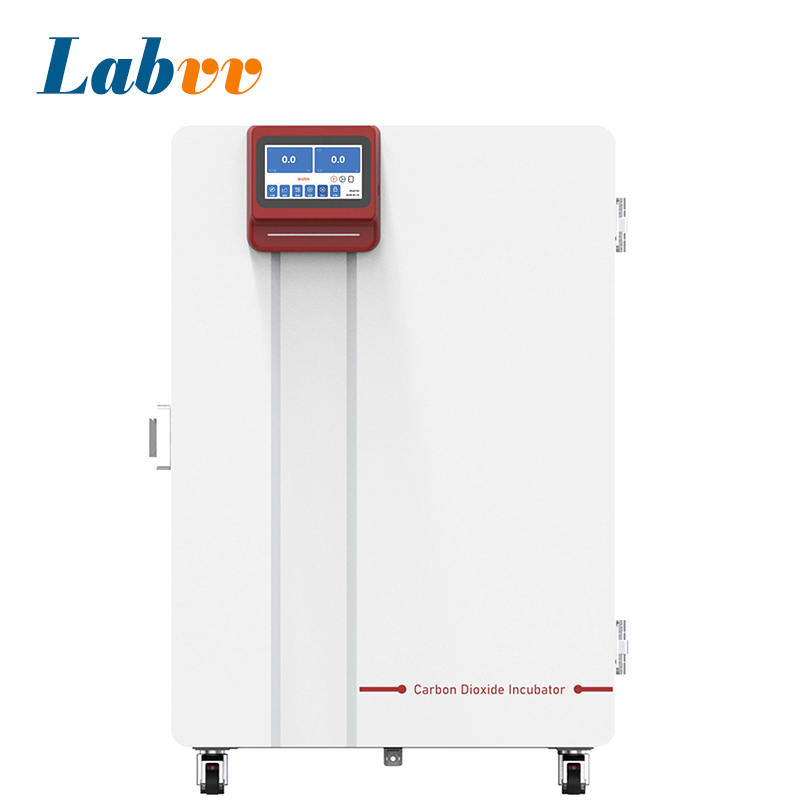
What Is a CO₂ Incubator?
A CO₂ incubator is a specialized laboratory incubator designed specifically for mammalian and human cell culture. In addition to precise temperature control, it regulates:
- CO₂ concentration (typically 5%)
- High relative humidity (≈95%)
- Stable pH environment for culture media
By maintaining controlled CO₂ levels, the incubator ensures the correct pH of bicarbonate-buffered culture media, which is essential for cell metabolism and proliferation.
Typical Applications
- Mammalian cell culture
- Stem cell research
- IVF and reproductive medicine
- Pharmaceutical and biotech R&D
What Is a Standard Laboratory Incubator?
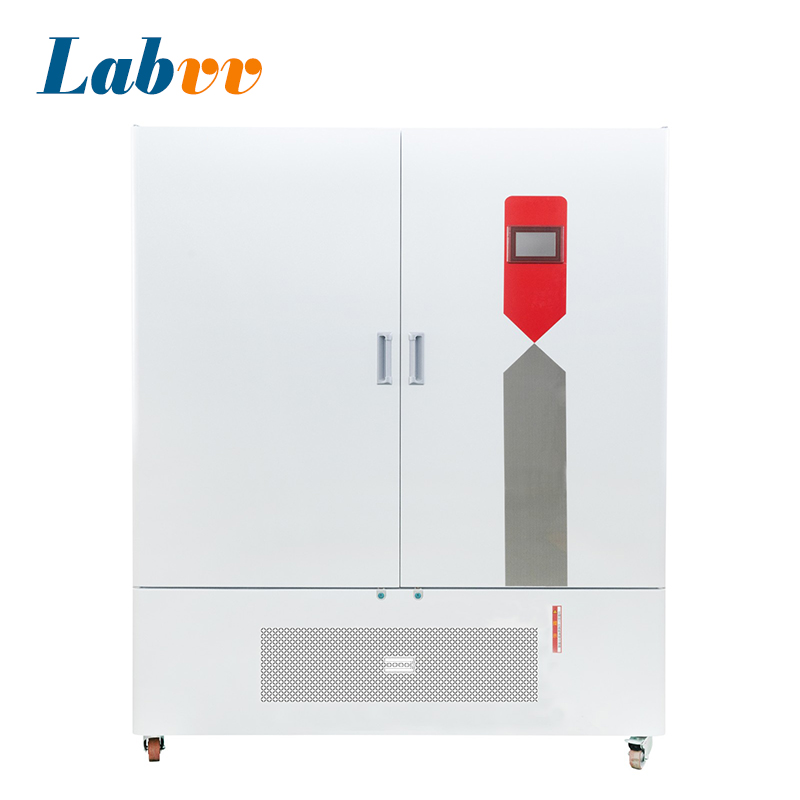
A standard laboratory incubator (also called a general-purpose or constant-temperature incubator) primarily controls temperature and, in some cases, airflow. It does not regulate CO₂ concentration or humidity with high precision.
These incubators are widely used for applications that do not require strict atmospheric control.
Typical Applications
- Microbiology culture
- Bacterial growth
- Enzyme reactions
- Sample warming and storage
Key Differences Between CO₂ Incubator and Standard Laboratory Incubator
| Feature | CO₂ Incubator | Standard Laboratory Incubator |
|---|---|---|
| Temperature Control | High precision | Standard precision |
| CO₂ Control | Yes (0–20%) | No |
| Humidity Control | Yes | Limited or none |
| pH Stability | Maintained via CO₂ | Not supported |
| Cell Culture Suitability | Ideal for mammalian cells | Not recommended |
| Cost | Higher | Lower |
Why CO₂ Incubators Are Essential for Cell Culture
In mammalian cell culture, even small fluctuations in pH or CO₂ concentration can affect cell viability, morphology, and experimental reproducibility. A CO₂ incubator provides:
- Stable physiological conditions
- Reduced cell stress
- Improved consistency across experiments
In contrast, using a standard laboratory incubator for mammalian cell culture often leads to poor growth or failed experiments due to lack of CO₂ and humidity control.
When Is a Standard Laboratory Incubator Sufficient?
A standard laboratory incubator is suitable when:
- Culturing bacteria or fungi
- Performing temperature-dependent reactions
- CO₂ and pH control are not required
For these applications, a CO₂ incubator would be unnecessary and less cost-effective.
Conclusion
When comparing CO₂ incubator vs standard laboratory incubator in cell culture, the difference is clear:
- CO₂ incubators are essential for mammalian and human cell culture, where CO₂, humidity, and pH stability are critical.
- Standard laboratory incubators are suitable for general microbiology and temperature-controlled experiments.
Choosing the right incubator not only improves experimental outcomes but also protects valuable cell lines and research investments.
Have questions or need expert guidance?
Reach out to our Labvv team !