
User Requirement Specification (URS) Explained: CO₂ Incubator for GMP Facilities
In pharmaceutical and biotechnology facilities, the CO₂ incubator is a critical piece of equipment for cell culture and microbiological applications. To ensure regulatory compliance, performance consistency, and audit readiness, equipment selection must be guided by a well-defined CO₂ incubator URS (User Requirement Specification).
This article explains what a CO₂ incubator URS is, why it matters in GMP environments, and the key elements that should be included when specifying a CO₂ incubator for pharmaceutical facilities.
1. What Is a CO₂ Incubator URS?
A CO₂ incubator URS is a formal document that defines the user’s expectations, functional needs, and regulatory requirements for a CO₂ incubator before procurement and installation. It serves as the foundation for:
- Equipment design and selection
- Supplier evaluation and comparison
- Qualification and validation activities
- GMP compliance and audit documentation
In GMP facilities, the URS ensures that the incubator is “fit for intended use” and aligned with both process and regulatory requirements.
2. Why a CO₂ Incubator URS Is Critical in GMP Facilities
GMP regulations require controlled, documented, and validated processes. A clearly defined CO₂ incubator URS helps to:
- Minimize compliance risks during inspections
- Ensure reproducible environmental conditions for cell culture
- Support IQ, OQ, and future requalification
- Establish clear responsibilities between user and supplier
Without a proper URS, equipment may meet basic laboratory needs but fail to satisfy regulatory expectations.
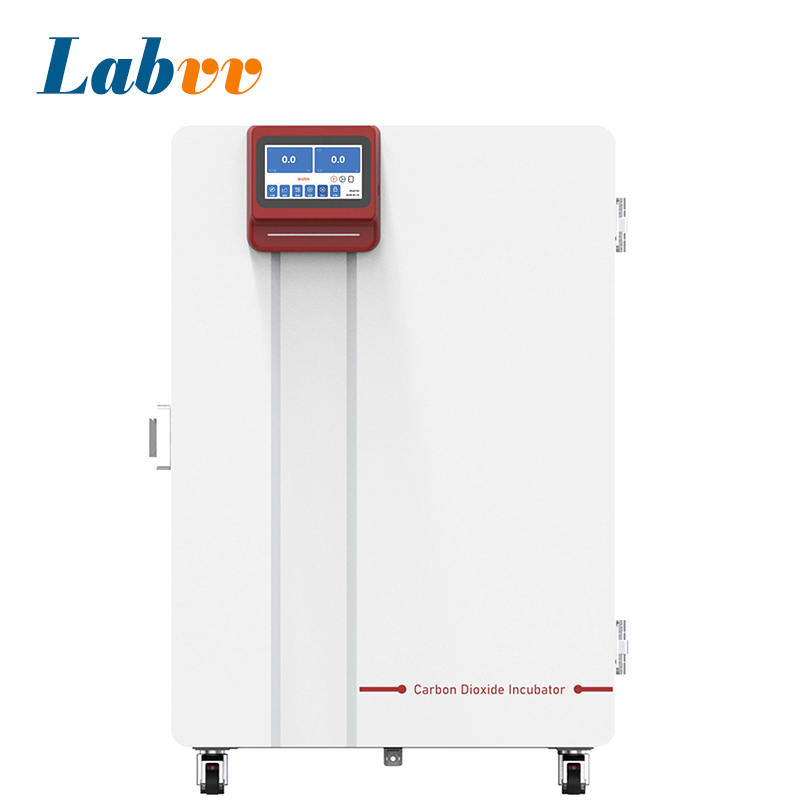
3. Key Elements of a GMP CO₂ Incubator URS
3.1 Equipment Type and Installation Environment
The URS should clearly define:
- Incubator type (e.g., benchtop or floor-standing)
- Installation in cleanroom or controlled laboratory areas
- Operating temperature and humidity of the room
- Noise level requirements suitable for GMP environments
3.2 Construction Materials and Chamber Design
A GMP-oriented CO₂ incubator URS typically requires:
- 304 stainless steel chamber with antimicrobial properties
- Hygienic, modular design with minimal joints
- Smooth, cleanable surfaces suitable for routine disinfection
- Sealed inner glass door with silicone gasket
These requirements reduce contamination risks and support effective cleaning.
3.3 Capacity, Shelves, and Load
The URS should define:
- Chamber volume (e.g., ~150 L per chamber)
- Number of shelves and maximum load per shelf
- Configuration such as single or dual chamber systems
Dual-chamber designs are often preferred in GMP facilities for operational flexibility.
3.4 Temperature and Humidity Control
Environmental stability is central to a CO₂ incubator URS:
- Operating temperature range (ambient +3 °C to 55 °C)
- Temperature accuracy of ±0.1 °C
- High relative humidity (≥95%)
- Reliable sensors such as PT100 for accurate monitoring
3.5 CO₂ Control Performance
The URS must specify clear CO₂ performance criteria, including:
- CO₂ concentration range (2–20%)
- Control accuracy and uniformity (±0.1%)
- Fast recovery time after door opening
- Stability at commonly used setpoints (e.g., 5% CO₂)
These parameters ensure consistent cell culture conditions.
4. Sterilization and Contamination Control Requirements
A GMP-compliant CO₂ incubator URS should include:
- Dry heat or humidified sterilization cycles
- Independent sterilization for multi-chamber systems
- Gas inlet filtration ≤0.3 µm
- Design features that avoid dead zones and inaccessible areas
Effective sterilization is essential to prevent microbial contamination in GMP laboratories.
5. Alarm Systems, Data Logging, and Data Integrity
Data integrity is a core GMP expectation. The URS should define:
- Audible and visual alarms for temperature and CO₂ deviations
- Door-open and system status alarms
- Data export via USB, LAN, or SD card
- Online and offline data storage and backup
- English-language user interface
These features support traceability and audit readiness.
6. Qualification and Validation Requirements
A complete CO₂ incubator URS should clearly state validation expectations:
- Supplier-provided FS, DQ, IQ, and OQ documentation
- On-site calibration of sensors and gauges
- Defined acceptance criteria for qualification tests
Clear validation requirements streamline project execution and regulatory approval.
7. Supplier and User Responsibilities
The URS should define responsibilities, including:
- Supplier responsibilities for delivery, installation, commissioning, and training
- User responsibilities for utilities, space, and routine operation
Clear role definition reduces project delays and misunderstandings.
8. Conclusion
A well-prepared CO₂ incubator URS is essential for selecting and implementing GMP-compliant incubation equipment in pharmaceutical and biotech facilities. By clearly defining technical, regulatory, and validation requirements, the URS ensures that the CO₂ incubator supports consistent performance, contamination control, and long-term GMP compliance.
For GMP laboratories, investing time in developing a robust CO₂ incubator URS ultimately reduces operational risks and supports successful audits.
Have questions or need expert guidance?
Reach out to our Labvv team !