
How to Choose a GMP-Compliant CO₂ Incubator for Pharmaceutical & Biotech Laboratories
A GMP CO₂ incubator is a critical piece of equipment in pharmaceutical and biotechnology laboratories, where precise environmental control and regulatory compliance directly impact product quality and patient safety. Unlike standard laboratory incubators, GMP-compliant models must meet stringent requirements for temperature stability, CO₂ accuracy, contamination control, data integrity, and validation support.
This guide explains the key factors to consider when selecting a GMP CO₂ incubator for pharmaceutical and biotech applications.
1. Understanding GMP Requirements for CO₂ Incubators
Good Manufacturing Practice (GMP) regulations require laboratory equipment to be designed, installed, operated, and maintained in a controlled and documented manner. For a GMP CO₂ incubator, this includes:
- Compliance with EU GMP (Annex 1) for sterile manufacturing environments
- Alignment with FDA and EMA expectations
- Materials suitable for cleanroom use
- Support for qualification and validation (IQ, OQ)
Selecting an incubator that is intentionally designed for GMP use reduces compliance risk during audits and inspections.
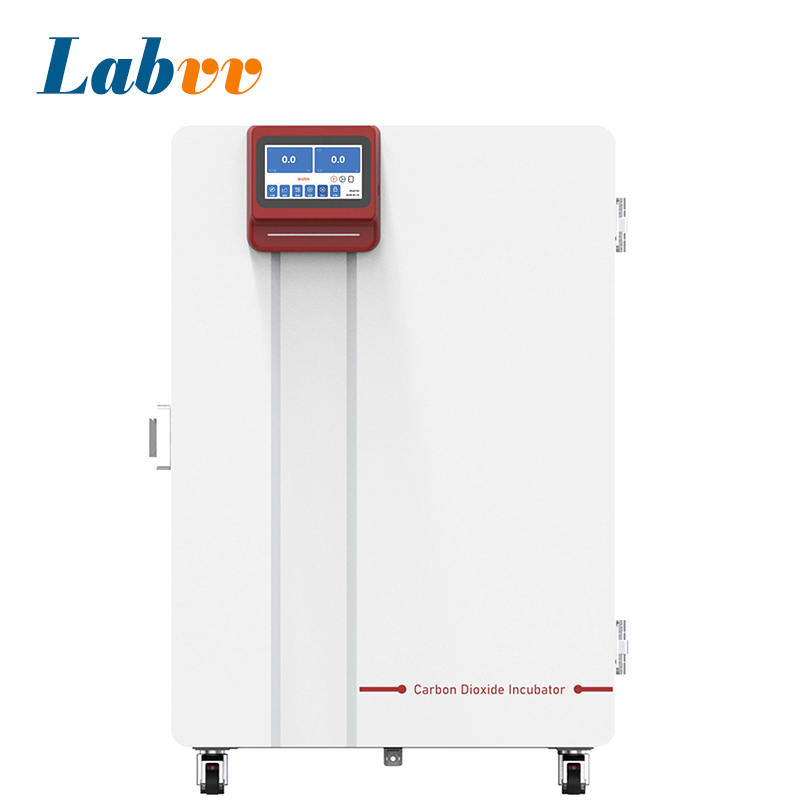
2. Chamber Design and Construction Materials
Stainless Steel and Hygienic Design
A GMP CO₂ incubator should feature a 304 stainless steel chamber with an antimicrobial surface. The design must minimize joints, sharp corners, and inaccessible areas to ensure effective cleaning and disinfection.
Key points to evaluate:
- Electropolished or corrosion-resistant surfaces
- Modular chamber design
- Avoidance of painted or coated parts that may degrade over time
Dual-Chamber Configuration
Dual-chamber GMP CO₂ incubators allow independent operation of each chamber, improving workflow flexibility and reducing cross-contamination risk. Independent sterilization cycles ensure that one chamber can be decontaminated without interrupting ongoing cell culture processes in the other.
3. Temperature and Humidity Control Accuracy
Precise environmental control is essential for reproducible cell culture results.
A pharmaceutical-grade GMP CO₂ incubator should provide:
- Temperature range from ambient +3 °C to 55 °C
- Temperature accuracy of ±0.1 °C
- Automated fan control for uniform heat distribution
- Relative humidity of ≥95% to prevent sample dehydration
- Reliable PT100 temperature and humidity sensors
These specifications help maintain stable culture conditions required in GMP laboratories.
4. CO₂ Control Performance and Stability
CO₂ concentration directly affects cell metabolism and pH balance in culture media. For GMP applications, accuracy and recovery time are critical.
Recommended CO₂ control specifications include:
- CO₂ range: 2–20%
- Control accuracy: ±0.1%
- Uniformity: ±0.1% across the chamber
- Recovery time: ≤3 minutes at 5% CO₂
A high-performance CO₂ control system ensures consistency and reliability in pharmaceutical and biotech workflows.
5. Sterilization and Contamination Control
Contamination control is a core GMP requirement. A GMP CO₂ incubator should support effective and validated sterilization methods, such as:
- Dry heat or humidified sterilization cycles
- Independent sterilization for dual chambers
- ≤0.3 μm gas inlet filters to prevent bacterial and particulate contamination
- High-humidity operation to reduce evaporation without promoting microbial growth
These features help maintain a clean and controlled incubation environment.
6. Alarm Systems and Data Integrity
GMP laboratories require continuous monitoring and documented control of critical parameters.
Essential alarm and data features include:
- Audible and visual alarms for temperature, CO₂ deviation, and door opening
- Remote alarm capability
- Data logging with USB, LAN, or SD card export
- Online and offline data storage
- English-language user interface
Reliable data recording and traceability support compliance with audit and validation requirements.
7. Qualification, Validation, and Supplier Support
A qualified GMP CO₂ incubator supplier should provide full technical documentation and validation support, including:
- Functional Specification (FS)
- Design Qualification (DQ)
- Installation Qualification (IQ)
- Operational Qualification (OQ)
On-site training, calibration support, and long-term spare parts availability are equally important for sustained GMP compliance.
8. Power Backup, Noise Level, and Operational Safety
Additional operational considerations include:
- Power backup of at least 30 minutes during power failure
- Noise level below 60 dB, suitable for cleanroom and laboratory environments
- Braked castors for safe and easy equipment movement
These features contribute to both user safety and operational continuity.
Conclusion
Choosing the right GMP CO₂ incubator is not only a technical decision but also a regulatory one. Pharmaceutical and biotech laboratories must consider chamber design, environmental control accuracy, contamination prevention, data integrity, and validation support to ensure full GMP compliance.
By selecting a GMP-focused CO₂ incubator from a reliable supplier, laboratories can enhance process consistency, reduce compliance risks, and support high-quality research and manufacturing outcomes.
Have questions or need expert guidance?
Reach out to our Labvv team !