
Vacuum Pump Maintenance: Essential Guide for Vacuum Drying Ovens
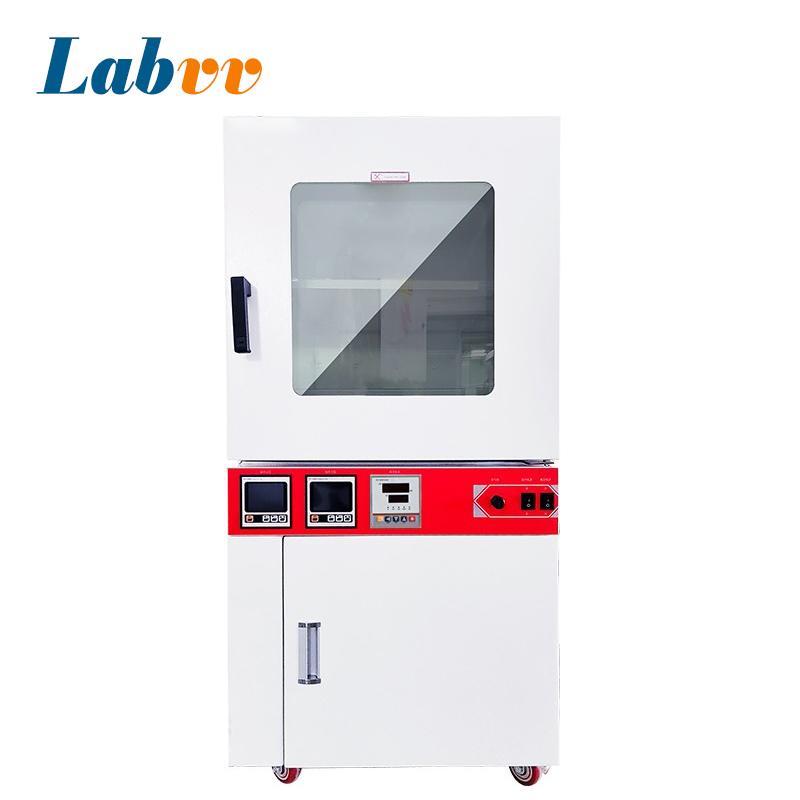
A vacuum pump is the core component of any vacuum drying oven. Its performance determines how efficiently the chamber reaches low pressure, how quickly moisture is removed, and how stable the drying process remains. Proper vacuum pump maintenance not only improves equipment reliability but also prevents common vacuum failures that slow down laboratory or industrial workflows.
This guide explains how to maintain a vacuum pump for vacuum drying ovens, the key inspection steps, and best practices to keep your vacuum system performing at its best.
Why Vacuum Pump Maintenance Is Critical
Vacuum drying ovens rely on a stable vacuum environment to dry heat-sensitive materials at low temperatures. When the pump is not properly maintained, several issues may occur:
- Longer drying cycles
- Poor vacuum levels
- Oil backstreaming and sample contamination
- Excessive pump noise or overheating
- Increased energy consumption
Regular maintenance eliminates these problems and ensures consistent drying performance.
1. Daily Inspection Checklist
✔ Check Oil Level
For rotary vane pumps, the oil level should remain between 2/3 and 3/4 of the sight glass.
Low oil reduces pumping speed and increases heat, while too much oil may cause oil mist and contamination.
✔ Inspect Oil Quality
Replace the oil immediately if it becomes:
- Milky (emulsified)
- Dark or burnt
- Mixed with particles or residue
Clean pump oil is essential for maintaining a vacuum drying oven vacuum system.
✔ Verify Vacuum Performance
If the oven does not reach the desired vacuum level:
- Inspect door gaskets
- Check hoses and fittings for leaks
- Evaluate pump running condition
2. Regular Maintenance Procedures
2.1 Replace Pump Oil on Time
Recommended schedule:
- Standard use: every 3–6 months
- High-moisture or solvent applications: every 1–3 months
Oil replacement steps:
- Warm the pump for a few minutes
- Drain all old oil
- Refill with fresh vacuum pump oil
- Run the pump briefly and recheck oil level
2.2 Clean or Replace the Inlet Filter
A clogged filter reduces pumping speed and affects the vacuum level inside the oven.
- Inspect every 1–3 months
- Replace when visibly contaminated
2.3 Inspect Belts, Couplings, and Bearings
For belt-driven models:
- Check belt tension
- Ensure couplings are aligned
- Listen for abnormal bearing noise
Misalignment causes vibration, heat, and reduced efficiency.
2.4 Maintain the Gas Ballast System
The gas ballast prevents oil emulsification when handling moisture.
- Ensure the valve opens smoothly
- Activate when drying samples containing water vapor or solvents
This step is especially important for a vacuum pump for vacuum drying oven applications.
3. Operating Tips to Extend Pump Life
✔ Use Gas Ballast When Handling Moisture
This prevents the pump oil from turning milky and losing efficiency.
✔ Install Filters or Cold Traps if Necessary
When pumping corrosive vapors or solvent-rich samples, use:
- Chemical filters
- Cold traps
- Moisture traps
to protect the pump.
✔ Avoid Frequent Start and Stop Cycles
Continuous operation is more stable and reduces mechanical wear.
✔ Run Anti-Rust Procedures Before Long Storage
Operate the pump with dry air for 20–30 minutes to remove internal moisture.
4. Common Problems and Solutions
❗ Low Vacuum Level
Reasons:
- Oil contamination
- Leaks in hoses or chamber
- Worn gaskets
- Blocked filters
Solutions:
- Replace pump oil
- Repair leaks
- Replace sealing components
- Clean or replace the filter
❗ Pump Overheating
Common causes:
- Low oil level
- Overload
- Poor ventilation
Solutions:
- Refill oil
- Allow pump to rest
- Improve airflow
❗ Unusual Noise or Vibration
Possible causes:
- Damaged bearings
- Worn vanes
- Misaligned couplings
Stop the pump and inspect immediately.
Recommended Maintenance Schedule
| Maintenance Task | Frequency | Notes |
|---|---|---|
| Check oil level | Daily | Before and after operation |
| Replace pump oil | Every 3–6 months | More often in heavy use |
| Clean inlet filter | Every 1–3 months | Replace if clogged |
| Inspect gaskets/seals | Every 3–6 months | Replace when leaking |
| Full pump servicing | Yearly | By trained technicians |
Conclusion
Effective vacuum pump maintenance is essential for ensuring the stable performance of a vacuum drying oven. By checking oil levels, inspecting filters, maintaining proper airflow, and servicing the pump regularly, you can significantly improve drying efficiency and extend equipment lifespan.
Whether used in laboratories, manufacturing, or research facilities, a properly maintained vacuum pump for vacuum drying oven applications will deliver reliable vacuum performance and consistent drying results.
Have questions or need expert guidance?
Reach out to our Labvv team !