
How to Choose the Right Cell Culture Incubator for Modern Laboratories
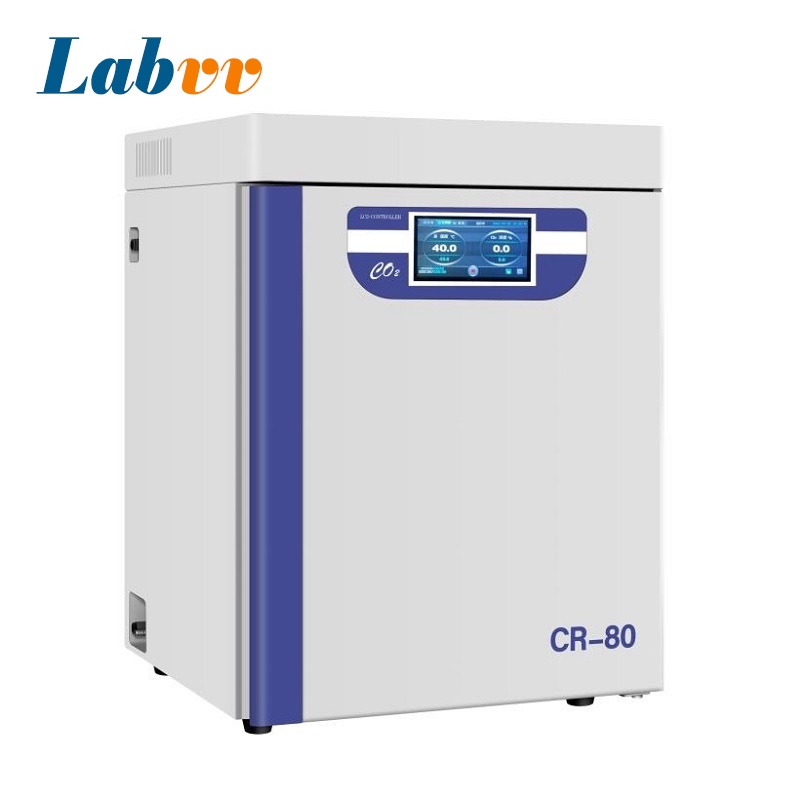
Selecting the right cell culture incubator is a critical decision for laboratories working with mammalian cells, stem cells, and other sensitive cultures. Among different types of cell culture incubators, CO₂ incubators are the most widely used due to their ability to precisely control temperature, humidity, and CO₂ concentration.
This guide explains the most important factors to consider when choosing a CO₂ incubator for cell culture applications.
1. Understand Your Cell Culture Requirements
Before selecting a CO₂ incubator, clearly define your application:
- Cell types: Mammalian, stem cells, primary cells, or cancer cell lines
- Culture sensitivity: Some cells require highly stable temperature, CO₂ concentration, and humidity
- Throughput: Number of samples or culture vessels used simultaneously
For sensitive or long-term cultures, a high-performance CO₂ incubator with precise environmental control is essential.
2. Temperature Control in Cell Culture Incubators
Stable temperature is fundamental for cell growth. A quality CO₂ incubator should offer:
- Temperature range typically from RT +3°C to 60°C
- High accuracy (±0.1°C)
- Excellent temperature uniformity (≤ ±0.3°C at 37°C)
Air-jacketed CO₂ incubators provide fast temperature recovery, while water-jacketed models offer superior stability during power interruptions. The choice depends on your lab environment and usage frequency.
3. CO₂ Control Accuracy and Recovery Speed
CO₂ concentration directly affects pH balance in cell culture media. Look for:
- CO₂ control range: 0–20%
- High-precision infrared (IR) CO₂ sensors
- Fast recovery after door openings
Accurate and stable CO₂ control ensures consistent culture conditions and reduces experimental variability.
4. Humidity Control System
Proper humidity prevents culture media evaporation and osmolarity changes. An effective CO₂ incubator should include:
- Relative humidity up to ≥95%
- Integrated water pan or reservoir
- Condensation control design
Some advanced models feature automatic humidity management to minimize contamination risks.
5. Contamination Prevention and Sterilization
Contamination is one of the biggest threats in cell culture laboratories. When choosing a CO₂ incubator, prioritize:
- High-temperature sterilization (e.g., 90°C or 180°C dry heat)
- Seamless stainless-steel inner chamber
- Rounded corners for easy cleaning
- HEPA filtration (optional for high-risk environments)
A CO₂ incubator with built-in sterilization significantly reduces downtime and maintenance effort.
6. Chamber Size and Capacity
CO₂ incubators are available in various capacities, commonly ranging from 80L to 260L. Consider:
- Current sample volume
- Future expansion needs
- Available laboratory space
Choosing the right chamber size improves workflow efficiency while avoiding unnecessary energy consumption.
7. User Interface and Monitoring Features
Modern CO₂ incubators are designed for ease of use and data traceability. Useful features include:
- Touchscreen control panels
- Real-time temperature and CO₂ display
- Alarm systems for temperature, CO₂, and door status
- Data logging and USB or network connectivity
These features enhance operational safety and compliance with laboratory quality systems.
8. Compliance and Certification
For pharmaceutical and clinical laboratories, regulatory compliance is essential. Ensure the CO₂ incubator meets relevant standards, such as:
- GMP / GLP compatibility
- CE certification
- ISO quality requirements
Documentation support is especially important for validation and audit processes.
9. Reliability, Service, and Supplier Support
Beyond specifications, choose a reliable manufacturer or supplier that offers:
- Proven product performance
- Technical support and spare parts availability
- OEM / ODM options if required
- Global shipping and after-sales service
A dependable CO₂ incubator supplier reduces long-term operational risks.
Conclusion
Choosing the right CO₂ incubator for cell culture laboratories involves balancing performance, reliability, contamination control, and compliance requirements. By carefully evaluating temperature stability, CO₂ accuracy, sterilization capability, chamber size, and supplier support, laboratories can ensure optimal conditions for cell growth and reproducible research results.
Investing in the right CO₂ incubator is not just a purchase decision—it is a foundation for successful cell culture experiments.
Have questions or need expert guidance?
Reach out to our Labvv team !